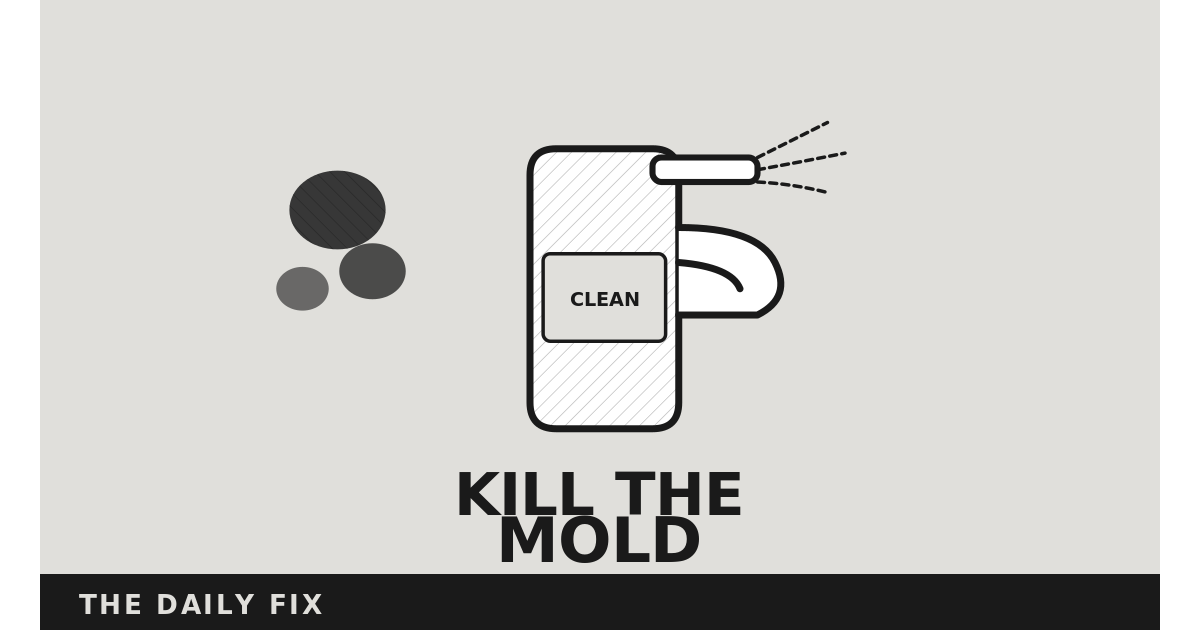
How to Get Rid of Bathroom Mold (And Stop It From Coming Back)
Mold needs three things to grow: moisture, a surface, and time. Your bathroom gives it all three. The grout between your tiles is porous — it absorbs water and holds it — and combined with poor ventilation, that moisture never fully dries out. Most people spray bleach on it, watch it disappear for two weeks, and then wonder why it’s back. That’s because they treated the symptom, not the cause.
What you need
A bleach-based bathroom cleaner (anything listing sodium hypochlorite as the active ingredient works), an old toothbrush or stiff grout brush, rubber gloves, and good ventilation — open a window or run the exhaust fan the entire time. Never mix bleach with anything else, especially vinegar.
Step 1: Ventilate the room first
Open a window or turn on the exhaust fan before you touch anything. If your bathroom has neither, prop the door open and point a box fan out of the room. Bleach vapors are irritating in an enclosed space — this step takes five seconds and makes the rest of the job safer.
Step 2: Apply the cleaner and let it sit
Spray the cleaner directly onto every grout line, the caulk along the tub edge, and any corners showing black, gray, or pink discoloration. Let it sit five to ten minutes without rinsing — the product needs contact time to penetrate the porous grout and kill mold at the root, not just the surface.
Step 3: Scrub the grout lines
Work the toothbrush or grout brush along every discolored line. You’re pushing the cleaner deeper and physically breaking up the colony — focus on coverage, not force. For staining that doesn’t lift, respray, wait another five minutes, and scrub again. Old, deeply stained grout may need two rounds.
Step 4: Rinse thoroughly
Rinse every surface with warm water until no cleaner remains, then wipe tile down with a clean cloth. Leftover bleach residue can keep breaking down the grout surface over time.
Step 5: Fix the conditions that let it grow
This is the step most people skip. Run your exhaust fan for at least 30 minutes after every shower, not just during — the goal is clearing the humid air that settles on every surface once the water’s off. No working fan? Leave the door open for cross-ventilation, or point a small fan at the shower wall for 20 minutes. Squeegeeing the tile walls after every shower takes 30 seconds and removes most of the moisture before it can soak into the grout.
Mistakes that bring it back
- Using vinegar instead of bleach. Vinegar doesn’t kill mold on porous surfaces like grout — it may slow growth but won’t clear an established colony.
- Scrubbing dry. Always let the cleaner sit before you scrub, or you’re just moving spores around without killing them.
- Cleaning the mold and ignoring the ventilation. This is the single most common mistake — without fixing the moisture, mold returns within two weeks.
Bathroom mold has two causes: surface buildup and poor ventilation. Clean the existing mold with a bleach-based spray and a grout brush, then run your exhaust fan for 30 minutes after every shower. That combination keeps it gone.
Products mentioned in this post
Some links above are affiliate links. We may earn a commission at no extra cost to you.
Related Posts

How to Re-Caulk a Bathtub (Stop Water From Getting Into Your Walls)
Cracked caulk around your tub isn't cosmetic — it's a path for water to get behind your walls. Here's how to redo it properly in an afternoon.
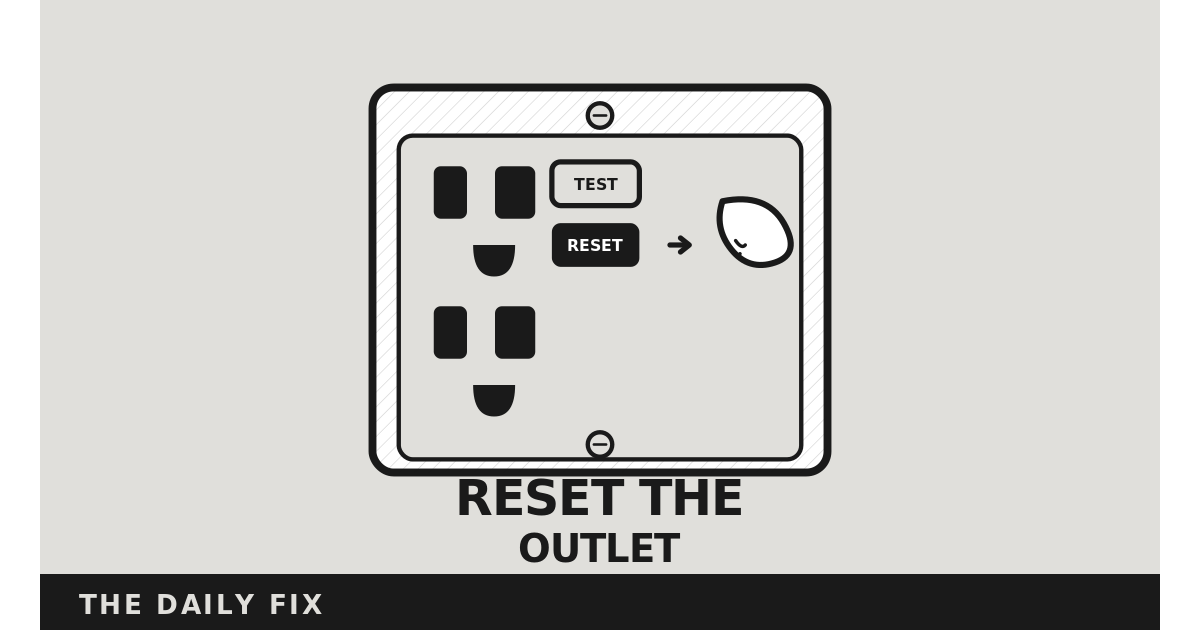
Outlet Not Working? It's Probably a GFCI — Here's the 10-Second Fix
If an outlet near water stopped working, it probably isn't broken — it tripped. Here's the fix, and why the tripped outlet might be in another room.

How to Patch a Hole in the Wall (Before You Lose Your Security Deposit)
Small nail holes and picture-hook gaps get deducted from your security deposit if you leave them. Here's how to patch them so they're invisible.