
How to Get Your Security Deposit Back
Security deposits get withheld more often than they should — usually because tenants don’t document anything and don’t know what a landlord is legally allowed to deduct. Here’s how to stack the odds in your favor, starting before you even move in.
Document everything on move-in day
Before you unpack a single box, walk every room and take timestamped photos and video — floors, walls, appliances, fixtures, everything. Note existing scuffs, stains, or damage in writing and send it to your landlord or property manager the same day, even if your lease doesn’t require a move-in checklist. This is the single biggest thing you can do to protect your deposit.
Know what “normal wear and tear” means
Landlords can deduct for damage beyond normal use — but not for the ordinary effects of living in a space. Faded paint, worn carpet in high-traffic areas, and minor scuffs are typically wear and tear. Large stains, holes in walls, broken fixtures, or pet damage usually are not.
Clean like you’re getting inspected — because you are
- Deep clean the kitchen (oven, fridge, cabinets) and bathroom (grout, tub, toilet).
- Patch small nail holes and touch up paint if your lease allows it.
- Vacuum and, if carpets are visibly dirty, get them professionally cleaned.
- Replace any burnt-out lightbulbs and HVAC filters.
Give proper written notice
Most leases require 30 or 60 days’ written notice before move-out. Send it in writing (email counts, but check your lease for specifics) and keep a copy. Missing this step can cost you weeks of rent, regardless of your deposit.
Do a move-out walkthrough — and document it again
Repeat the move-in photo/video process on move-out day, after everything is cleaned and empty. Compare against your move-in documentation. If your landlord offers a joint walkthrough, take it — get any agreed-upon deductions in writing on the spot.
If they don’t return it (or don’t return enough)
Most states set a legal deadline for returning deposits (commonly 14–30 days) and require an itemized list of any deductions. If your landlord misses the deadline or the deductions look inflated:
- Send a written demand letter referencing your state’s deposit law and your move-in/move-out documentation.
- Check whether your state allows for double or triple damages for landlords who violate deposit laws — many do.
- Small claims court is designed for exactly this kind of dispute, and most states let you file without a lawyer.
Related Posts
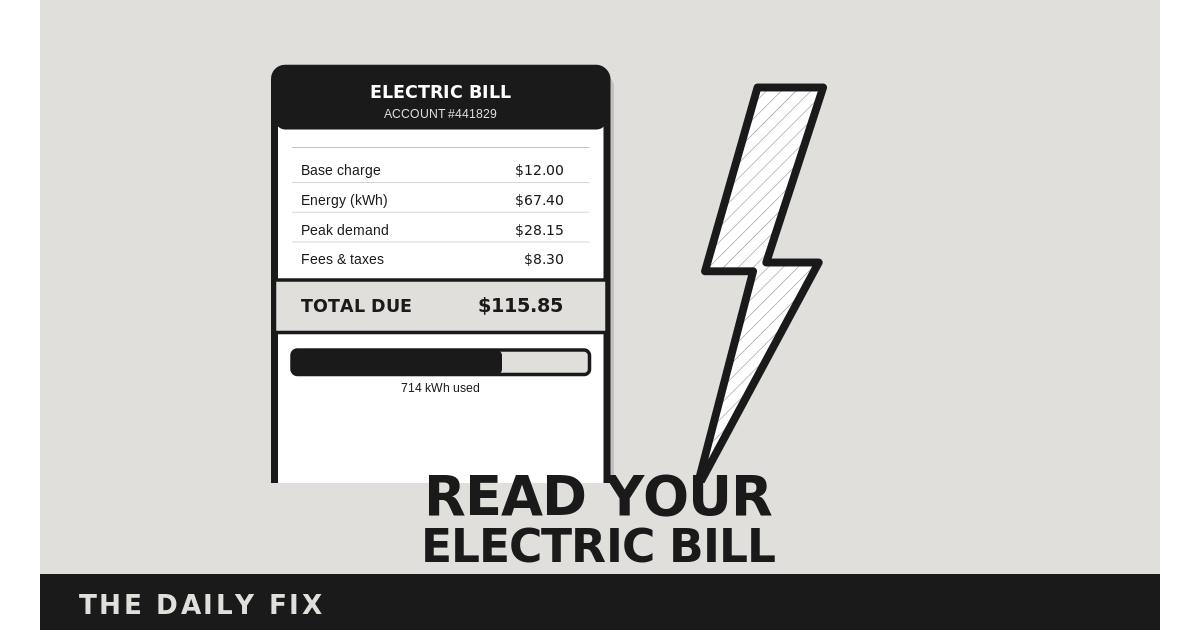
How to Read Your Electric Bill (And Find Where You're Wasting Money)
Understanding four numbers on your electric bill can save you $20 to $40 a month. Here's how to read it and find where you're wasting money.

Renter's Insurance Explained (What It Covers, What It Costs, How to Get It)
For about $12 a month, renter's insurance covers what your landlord's policy doesn't: your stuff. Here's what it covers and how to get it in 15 minutes.
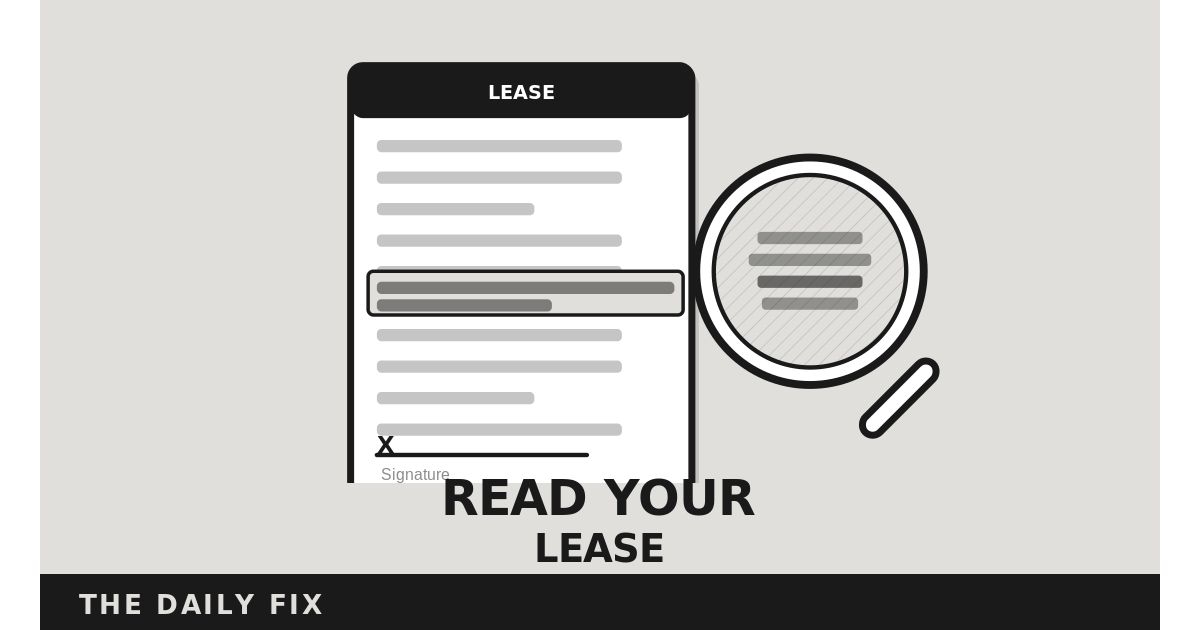
How to Read Your Lease Before You Sign (8 Things That Matter Most)
Most renters sign a 12-month contract without reading it. Here are the eight clauses that actually determine what happens during your tenancy.